
Table of Contents
Introduction: Navigating the Unprecedented Digital Crossroads
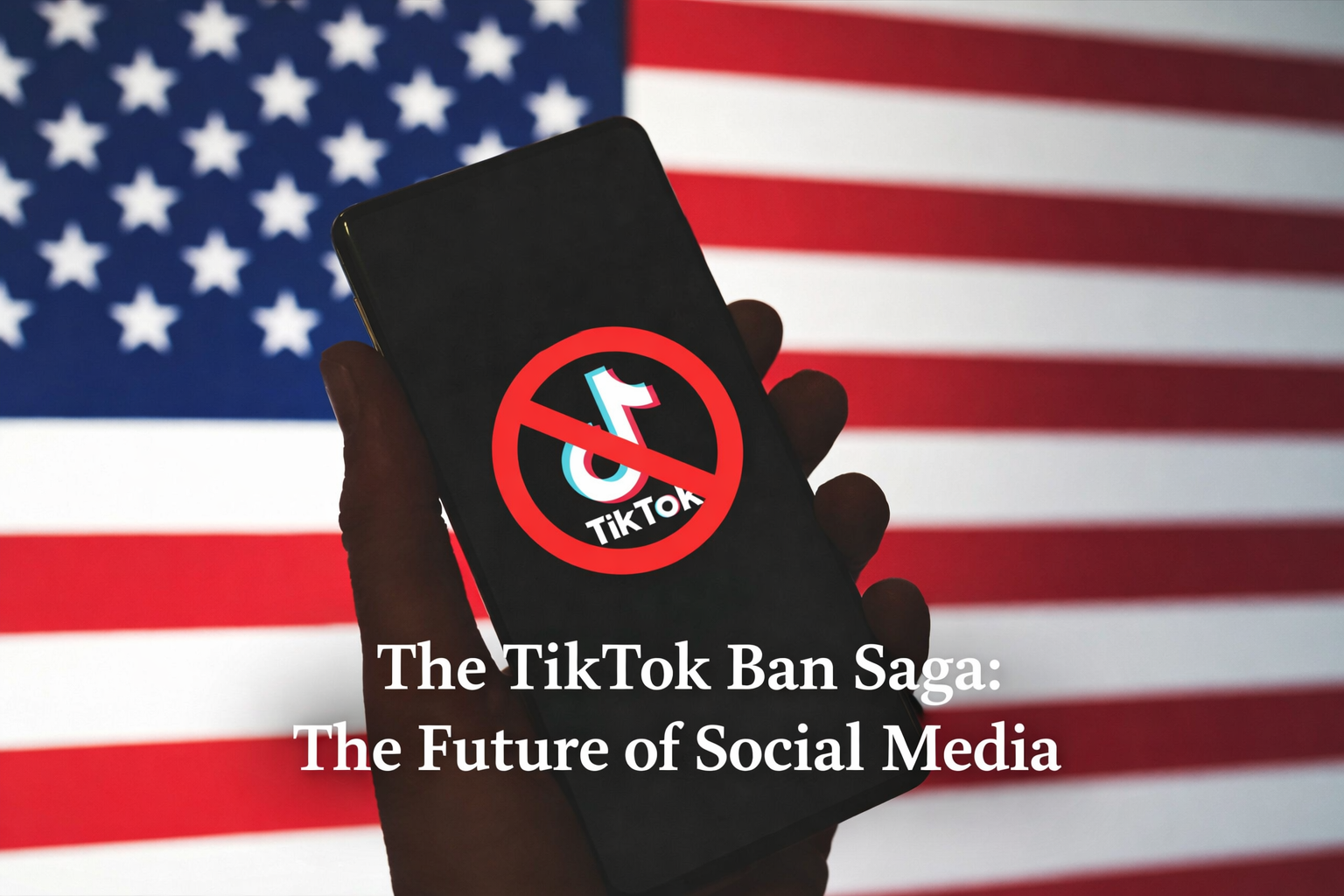
The debate surrounding a potential Tiktok ban in the United States has exploded from the halls of Congress into the daily lives of over 170 million American users. It represents a collision of geopolitics, technology law, digital culture, and economic survival for creators. This is not merely a policy discussion; it’s a real-time event with a concrete Tiktok ban countdown ticking down, prompting searches for “how to watch Tiktok after ban” and “will Capcut be banned with Tiktok.”
This definitive, 4000+ word guide serves as your exhaustive resource. We will dissect the complex “divest or ban” legislation, explore every practical implication for users and creators, delve into the fierce public debate, and analyze the legal battles that will determine the app’s fate. From explaining the mechanics of a Tiktok shadow ban to providing a realistic Tiktok U.S. ban update, this article leaves no question unanswered.
The Legislative Engine: Understanding the “Divest or Ban” Law
The path to a potential ban is paved with specific, consequential legislation. Grasping this legal framework is the first step to understanding the entire crisis.
The Core Legislation: “Protecting Americans from Foreign Adversary Controlled Applications Act”
Contrary to popular belief, Congress has not passed a law that simply “bans TikTok.” The mechanism is more nuanced and potent. Signed into law in April 2024, this act presents ByteDance, TikTok’s Beijing-based parent company, with a stark ultimatum: divest its U.S. operations to a buyer approved by the U.S. government within a set timeframe, or face a comprehensive prohibition.
The National Security Rationale: Lawmakers from both parties cite profound concerns that ByteDance, as a Chinese company, operates under legal frameworks like China’s 2017 National Intelligence Law. This law can compel companies to assist state intelligence work. The fear is twofold:
Data Security: That the sensitive personal data of 170 million Americans could be accessed by the Chinese government for espionage or blackmail.
Algorithmic Manipulation: That the platform’s powerful, opaque recommendation algorithm could be weaponized to suppress or promote content to influence U.S. public opinion, sow discord, or interfere in elections.
The Official Timeline – The “Tiktok Ban Countdown”: The law set a 270-day deadline for a sale to be finalized, placing the initial deadline in early January 2025. The President has the authority to grant a one-time 90-day extension if progress toward a deal is being made. This creates a potential final deadline of early April 2025. This is the official countdown that has users and creators on edge.
Bipartisan Support: The bill passed with overwhelming majorities. For citizens wondering “what senators voted to ban Tiktok,” the roll call reveals a rare consensus, reflecting the depth of security concerns in Washington. The vote wasn’t about the app’s cultural impact but about its ownership structure.
State-Level Actions: The Testing Ground
Federal action was preceded by significant moves at the state level, which acted as both a policy testing ground and a signal of growing political will.
Montana’s Bold Move: In 2023, Montana passed a first-of-its-kind law to ban TikTok outright statewide—a move widely covered by local media like the Billings Gazette (Tiktok ban Montana). While this law was quickly blocked by a federal judge on First Amendment grounds, it was a bellwether.
Government Device Bans: Over half of all U.S. states, including Texas and Florida, have banned TikTok on state-owned government devices and networks. These bans, often driven by executive orders from governors, address the same security fears on a smaller scale and have largely withstood legal challenge. They fuel speculation about broader, citizen-facing bans, leading to queries like “is Tiktok getting banned in Texas” or “Florida Tiktok ban.”
The User’s Survival Manual: Practical Implications and Technical Workarounds
For the average user, the abstract “ban” translates into urgent, practical questions. This chapter provides a clear-eyed, step-by-step guide to the potential scenarios.
The “Divestment” Path – A New TikTok
If ByteDance sells TikTok’s U.S. operations to an approved buyer (e.g., a consortium of U.S. investors or a tech company), the app would likely continue to function, but with changes.
Account Status: Your account, followers, and videos would almost certainly transfer to the new entity. The question “will my account be deleted when Tiktok gets banned” becomes moot.
Algorithm and Policy Shifts: A new American owner would likely rebuild or heavily audit the core recommendation algorithm to assure regulators it is free from foreign manipulation. Content moderation policies might also shift to align more closely with U.S. norms and legal frameworks.
Data Handling: U.S. user data would be migrated to and stored on servers controlled by the new company, theoretically under U.S. jurisdiction—the primary goal of the legislation.
The “Ban” Path – App Blockade
If no sale occurs and the ban is enforced, the U.S. government would compel two primary actions:
App Store Removal: Apple (iOS) and Google (Android) would be legally required to remove TikTok from their U.S. app stores. This means you could not download or update the app.
Internet Service Provider (ISP) Blocking: U.S. officials could order internet providers to block traffic to and from TikTok’s servers, making the app unusable even if already installed.
In this scenario, users will desperately seek workarounds. WARNING: Using these methods may violate TikTok’s Terms of Service and, depending on the final implementation of the law, could potentially violate federal statutes. They also carry significant security risks.
Method 1: Virtual Private Networks (VPNs)
How it Works: A VPN encrypts your internet traffic and routes it through a server in another country (e.g., Canada or Mexico). To TikTok’s servers, you appear to be accessing the app from that location.
The Burning Question: “Can you access Tiktok with a VPN after a ban?” The short answer is yes, in principle. This is the most common solution cited in “how to still use Tiktok after ban” guides.
The Reality Check:
Detection: TikTok and other major platforms invest heavily in detecting and blocking VPN traffic. They maintain lists of IP addresses known to belong to VPN providers. Finding a “VPN for Tiktok ban” that consistently works will be a cat-and-mouse game, a topic that will dominate “Tiktok ban VPN Reddit” forums.
Performance: Streaming high-quality video through a VPN often results in buffering, lag, and reduced connection speeds.
Trust: You are routing all your internet activity through a third-party service. Choosing a reputable, no-logs VPN is critical for security.
Method 2: Sideloading (Primarily Android)
How it Works: Users download the TikTok APK (Android Package Kit) file directly from a website and manually install it, bypassing the Google Play Store.
The Critical Divide: “How to redownload Tiktok after ban on iPhone” vs. Android. iOS is a “walled garden.” Sideloading is not natively supported without advanced technical workarounds like jailbreaking, which voids warranties and exposes the device to severe security vulnerabilities. For Android, the process is simpler but comes with a colossal caveat.
The Paramount Risk: Downloading and installing APK files from unofficial sources is one of the most common ways devices are infected with malware, spyware, and ransomware. You are explicitly bypassing Google’s security scans.
Method 3: Using the Web Browser
Potential Lifeline: Accessing TikTok via a mobile or desktop browser (the “how to watch Tiktok after ban” browser method) might remain a possibility if ISPs do not block the specific web domains. However, the experience is vastly inferior—uploading content is cumbersome, and many app-specific features are absent.
Managing Your Digital Life Before a Ban
Download Your Data: Immediately use TikTok’s “Download your data” tool (found in Settings > Privacy). This creates a file containing your videos, messages, comments, and profile information. Do not wait until the last minute.
TikTok Shop Concerns: For buyers and sellers, questions like “what will happen to Tiktok shop orders after the ban” and “will my Tiktok shop order still come after the ban” are urgent. If the app is blocked, the entire shopping interface disappears. Creators should wind down store operations and fulfill all pending orders ahead of any deadline. Customers should track orders closely and contact sellers directly if possible.
Migration Planning: Start building a presence on alternative platforms now. Do not wait for the ban to happen.
The Creator Economy Earthquake: Impact, Adaptation, and the CapCut Question
A ban wouldn’t just inconvenience users; it would devastate a thriving economic ecosystem. The Tiktok ban impact on creators and small businesses is incalculable but undeniably massive.
Direct Financial Ruin: Millions of U.S. creators derive income directly from TikTok through the Creativity Program, LIVE gifts, brand deals, and TikTok Shop commissions. A ban would instantly zero out this revenue. Top influencers (“Tiktok ban influencers”) may have the resources and cross-platform followings to pivot, but the middle-class creator—those earning a sustainable living through niche content—faces an existential threat.
The Algorithmic Advantage Lost: TikTok’s “For You Page” algorithm is uniquely effective at surfacing content from unknown creators. This low-barrier-to-entry discovery engine doesn’t have a true equivalent on Instagram Reels or YouTube Shorts, which still favor established accounts. A ban would stifle this democratic form of cultural production.
Small Business Catastrophe: For countless small and medium-sized businesses, TikTok is their primary marketing, sales, and customer engagement channel. The Tiktok ban economic impact on these entities would be severe, stripping them of a cost-effective way to reach customers and potentially forcing layoffs or closures.
The Critical Adjacent Service: Is CapCut Getting Banned?
This is one of the most frequently asked technical questions: “Is CapCut and Tiktok getting banned?” or “Will Capcut get banned with Tiktok?”
The Connection: CapCut is a hugely popular, free video editing app also owned by ByteDance. It is deeply integrated with TikTok, offering seamless exporting and template sharing.
The Legal Threat: The U.S. law targets “foreign adversary controlled applications.” While TikTok is the named primary target, the law’s language is broad enough to encompass other ByteDance-owned apps deemed a security threat. The Department of Commerce would have the authority to designate CapCut. Therefore, the threat is very real. Searches for “if Tiktok gets banned will Capcut” and “CapCut alternatives” will surge if a ban proceeds.
Proactive Advice: Creators who rely on CapCut should begin familiarizing themselves with alternative editing software like Adobe Premiere Rush, InShot, or DaVinci Resolve.
The Political and Public Firestorm: Petitions, Protests, and Free Speech
The legislative push has ignited a formidable public backlash, particularly among the app’s core demographic of young Americans.
The Petition Movement: The most organized political counter-action is the Tiktok ban petition led by Democratic Congressman Ro Khanna. The drive to “sign the Tiktok ban petition” at https://act.rokhanna.com/a/tiktok-ban-petition has collected millions of signatures. It argues the ban is an overreach that harms free speech and the economy. Similar efforts on Change.org Tiktok ban platforms echo this, with many titled “stop the Tiktok ban petition.”
The Case Against the Ban: “Why Tiktok Should Not Be Banned”
The anti-ban coalition, which includes the ACLU, digital rights groups, and creators, makes several powerful arguments.
- First Amendment Violation: They contend that banning a platform used by millions for speech, art, and assembly is a prior restraint on free expression, a core constitutional right.
- Selective Enforcement: Critics ask why TikTok is being singled out when U.S.-based social media companies (Meta, Google) collect troves of similar data and have been implicated in their own influence scandals (e.g., Cambridge Analytica).
- Ineffectiveness & Whack-a-Mole: A ban is a blunt instrument. Determined users will flock to VPNs, and sophisticated state actors have countless other vectors for data collection and influence operations.
- Cultural and Economic Harm: It destroys a unique cultural space and undermines the livelihoods of creators and small businesses without a clear, proportionate security benefit.
- “Tiktok Ban Memes” and Organic Pushback: The platform itself has become the arena for protest. Hashtags like #KeepTikTok and #SaveTikTok have billions of views. Creators have made “Tiktok ban memes,” informational videos explaining the legislation, and viral trends like the “Destroy Lonely Bane trend Tiktok” audio, using the platform’s own language to fight for its survival.
Demystifying the “Shadow Ban”: Platform Moderation vs. Government Ban
A source of immense confusion is the conflation of a government-mandated ban with TikTok’s internal shadow ban. They are fundamentally different.
What is a “Tiktok Shadow Ban”? It’s an unconfirmed but widely reported moderation tactic where TikTok limits a content’s reach without notifying the user. Your account isn’t suspended, but your videos are suppressed—they won’t appear on the For You Page, in hashtag searches, or sometimes even for your own followers.
“How do you know if you’re shadow banned on Tiktok?” Key indicators include:
A sudden, severe, and sustained drop in video views (e.g., from 10,000+ to under 200).
Analytics showing 0% traffic from the “For You” page.
Friends reporting they cannot find your new videos via search.
A lack of new follower engagement.
Common Causes of a Shadow Ban:
Community Guidelines Strikes: Repeated violations for hate speech, graphic content, etc.
Using “Banned Words”: Posting captions or hashtags that include terms on TikTok’s internal list of banned words on Tiktok (often related to adult content, violence, or misinformation).
Spam-like Behavior: Excessively posting, following/unfollowing, or commenting in a short period.
Copyright Issues: Using unlicensed music or video clips.
“How long does a Tiktok shadow ban last?” and “How to get unshadow banned on Tiktok?”
Most shadow bans are temporary, lasting from 24 hours to 2 weeks. To recover:
- Take a Break: Stop posting for 48-72 hours.
- Audit Content: Delete any recent videos that may have triggered the ban.
- Go Organic: Engage genuinely with other users’ content—like and comment meaningfully without links.
- Avoid Triggers: Steer clear of spammy behavior and reviewed the Tiktok banned words list 2025 (often circulated by creators online).
- Be Patient: Wait for the system to reset your account’s standing.
- The Key Takeaway: A shadow ban is TikTok policing its own platform. The U.S. government ban is about policing a foreign-owned platform itself. One is a content moderation tool; the other is a geopolitical tool.
The Global Chessboard and the Inevitable Legal War
The U.S. action exists within a global context of scrutiny on Chinese tech. A Tiktok ban countries list is growing, but unevenly.
Full National Bans: India instituted a full ban in 2020, citing data security and sovereignty. Nepal and Somalia have also banned it.
Government Device Bans: The UK, Canada, the European Commission, Australia, and Taiwan have banned TikTok on official devices, mirroring U.S. state-level actions.
Nations Not Banning: In response to queries like “is Tiktok banned in Mexico?” (No), “is Tiktok banned in Japan?” (No, but under pressure), or “is Tiktok banned in the Philippines?” (No), it’s clear the approach is fragmented. Many nations are watching the U.S. legal battle closely.
The Supreme Court Showdown
TikTok and ByteDance have filed a monumental lawsuit against the U.S. government. Their case rests on two pillars:
- The First Amendment: They argue the law is an unconstitutional restriction on the free speech rights of the company and, more importantly, its millions of users.
- The “Bill of Attainder” Clause: They may argue the law is an unconstitutional bill of attainder—a legislative act that singles out a specific person or entity for punishment without a trial.
- Legal experts are divided, but most agree the First Amendment argument is powerful. Lower courts have previously blocked Trump-era TikTok bans on free speech grounds. This lawsuit is the single greatest factor that could delay or dismantle the Tiktok ban countdown. Any genuine Tiktok ban update 2025 will come from court rulings, not Congress.
Future Scenarios and Strategic Preparations for All Stakeholders
As the deadline looms, several distinct outcomes are possible, each with its own trajectory.
Scenario A: The Ordered Divestment (Most Likely per Legislation)
A U.S.-led buyer (e.g., a private equity consortium with tech partners) purchases TikTok’s U.S. operations. The app continues, but under intense scrutiny, with a new, U.S.-vetted algorithm and data governance structure. This is the law’s intended outcome.
Scenario B: The Long Legal Limbo (Most Likely in Reality)
Courts issue preliminary injunctions, halting the ban while the constitutional lawsuit plays out. This could take years, winding its way to the Supreme Court. The “Tiktok getting banned Reddit” speculation would continue indefinitely, but the app would remain operational.
Scenario C: The Enforced Ban
If the courts fully side with the government and no sale occurs, the ban is implemented. App stores delist, ISPs block, and TikTok becomes inaccessible in the U.S. without technical workarounds.
Actionable Advice for Every User and Creator:
- Diversify Immediately: Build your audience on at least two other platforms (Instagram Reels, YouTube Shorts). Use tools to cross-post your TikTok content automatically.
- Secure Your Assets: Download your data. For creators, archive your best-performing videos and keep a record of brand partnership contacts outside the app.
- Engage in the Civic Process: If you feel strongly, contact your Senators and Representative. Sign relevant petitions like the Tiktok ban petition Rokhanna or opposing ones. Understand the arguments on both sides.
- Stay Technically Prepared: Research reputable VPN services and understand the risks of sideloading. For creators, begin testing alternative video editing apps.
- Follow Credible Sources: Avoid panic from social media rumors. Follow established tech policy journalists at outlets like The Verge, TechCrunch, and WIRED for accurate Tiktok U.S. ban updates.
Conclusion: A Defining Moment for the Digital Age
The Tiktok ban saga is a microcosm of the 21st century’s greatest tensions: national security vs. globalized technology, sovereignty vs. the borderless internet, and state power vs. individual expression. Its resolution will set a precedent with ramifications far beyond a single app.
Whether the outcome is a forced sale, a protracted legal battle, or an unprecedented shutdown, the impact is already being felt. It has galvanized a generation of digital natives into political action, forced creators to rethink their entrepreneurial foundations, and challenged the world to define the rules of our interconnected digital future. The final chapter is yet to be written, but its themes will echo through the internet for decades to come.