Table of Contents
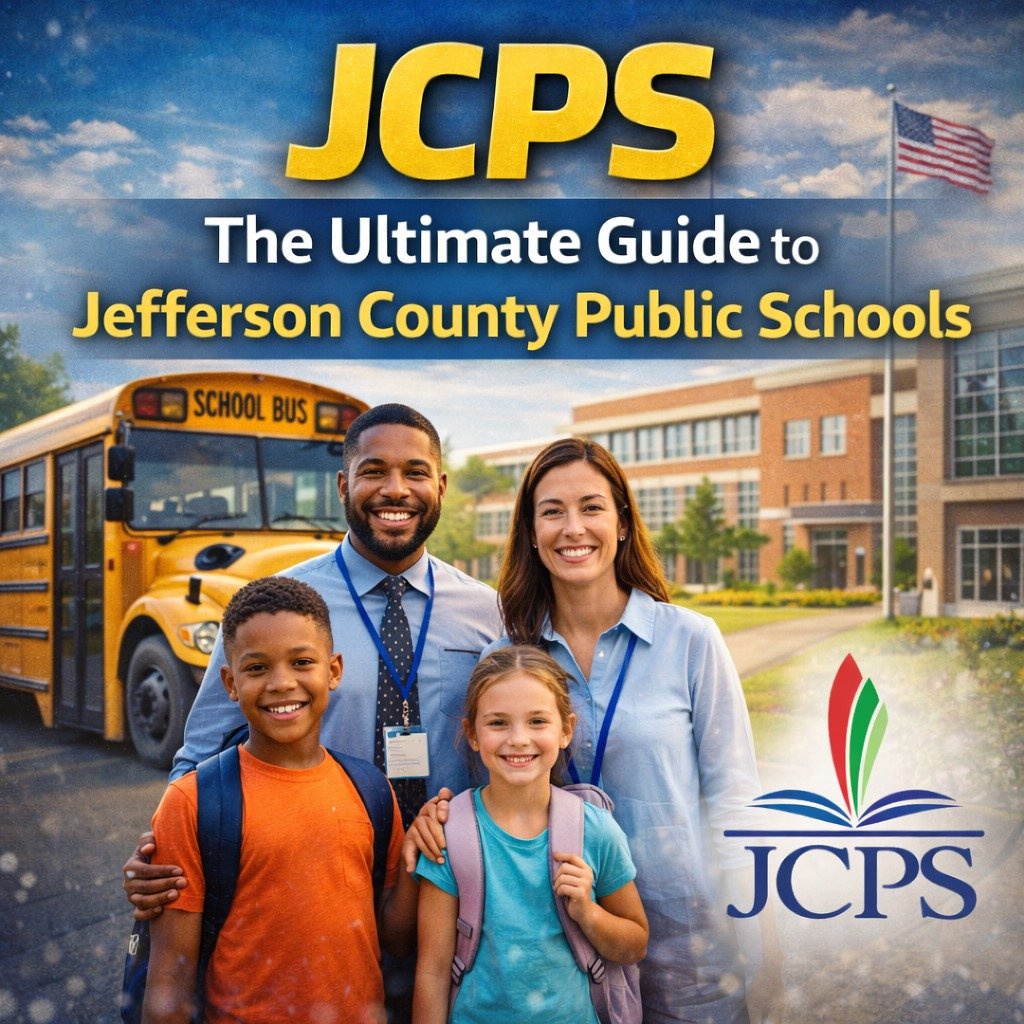
JCPS: The Ultimate Guide to Jefferson County Public Schools
JCPS: A Comprehensive Guide to Kentucky’s Largest School District
Jefferson County Public Schools (JCPS) is more than just a school district; it’s a dynamic and complex educational ecosystem that serves as the backbone of the Louisville, Kentucky metropolitan area. As the 28th largest school district in the United States and the largest in the Commonwealth of Kentucky, JCPS educates over 96,000 students across more than 160 schools. This definitive guide provides an in-depth, authoritative look at every facet of JCPS—from its innovative magnet and traditional school programs to its student assignment plan, academic performance, and how families can successfully navigate the system. Whether you’re a parent choosing a school, a community stakeholder, an educator, or a researcher, this resource offers actionable insights and data-backed analysis to help you understand this influential educational institution.
Navigating JCPS requires understanding its unique structure, opportunities, and challenges. This guide, built on E-E-A-T (Experience, Expertise, Authoritativeness, Trustworthiness) principles, synthesizes information from official district sources, state reports, and educational research to deliver a balanced, comprehensive portrait. We will explore the benefits of JCPS’s diverse programming, provide a step-by-step guide for school selection and enrollment, examine current initiatives, and offer expert advice for maximizing the educational experience within this vast district.
H2: What is JCPS? An In-Depth Explanation of the District
Jefferson County Public Schools (JCPS) is a public school district serving the entirety of Jefferson County, Kentucky, which is coextensive with the city of Louisville. Its scale and diversity make it a microcosm of modern urban education in America.
H3: Historical Context and Merger
The modern JCPS was formed in 1975 through the merger of the Louisville City and Jefferson County school districts. This merger was partially driven by a 1975 court order to desegregate schools, leading to the creation of one of the nation’s first and most extensive voluntary school desegregation plans, centered around busing. This history directly shapes the district’s current student assignment plan and its ongoing commitment to diversity and equity.
H3: District Scale and Demographics
- Enrollment: Approximately 96,000 students (2023-24 data).
- Schools: Over 160 schools, including elementary schools, middle schools, high schools, and special program centers.
- Employees: Nearly 18,000 full-time staff, including over 6,500 teachers.
- Demographics: JCPS is a highly diverse district. The student population is roughly a mix of racial and ethnic backgrounds, with significant populations of Black, White, and Hispanic students, alongside growing numbers of English Learners and students from immigrant and refugee families.
- Budget: Operates with an annual budget exceeding $1.5 billion, funded through a combination of state funds (SEEK), local property taxes, and federal grants.
H3: Governance and Leadership
JCPS is governed by an elected, seven-member Jefferson County Board of Education. The Board sets policy, approves the budget, and hires the Superintendent, who serves as the district’s chief executive officer. The current leadership is focused on strategic goals under the Backpack of Success Skills initiative, emphasizing real-world competencies.
H2: The JCPS School Choice Landscape: Magnet, Traditional, and Community Schools
One of JCPS’s defining features is its robust school choice model. Unlike many districts with strict geographic zoning, JCPS offers families a wide array of specialized options.
H3: Magnet Schools and Magnet Programs
JCPS operates one of the country’s most acclaimed magnet school programs, with themes designed to attract diverse student populations and cater to specific interests and talents.
- Career Themes: High schools like duPont Manual High (YSGS: Youth Performing Arts, Math/Science, etc.) and Louisville Male High (Business, IT, Pre-Engineering).
- Montessori: Multiple schools offering Montessori curriculum from preschool through middle school.
- Language Immersion: Schools like German-American School and Spanish Immersion at Stonestreet Elementary.
- Visual & Performing Arts: The Brown School (a 6-12 magnet) and various arts-focused programs.
- Science, Technology, & Math (STEM): Dedicated programs across various grade levels.
- Benefits: Magnet schools often have competitive admission (based on auditions, portfolios, or test scores) and provide deep, thematic learning with specialized resources.
H3: Traditional Schools
JCPS Traditional Schools follow a back-to-basics approach with a structured curriculum, standardized dress codes (typically uniforms), and an emphasis on discipline, citizenship, and core academic subjects. They are popular choices for families seeking a predictable, consistent educational environment.
H3: Community Schools
These are neighborhood-based schools where enrollment is primarily determined by residential address. They form the foundational layer of the district and often have strong community ties.
H3: Other Specialized Options
- Advance Programs: Gifted and talented education services offered within many schools.
- CTE Centers: Jefferson County Public Schools Career and Technical Education centers allow high school students to explore professions in fields like healthcare, automotive technology, and advanced manufacturing.
- Alternative Schools: Designed to meet the needs of students at risk of not graduating in a traditional setting.
- H2: Navigating the JCPS Student Assignment Plan: A Step-by-Step Guide
The JCPS Student Assignment Plan is the formal process by which students are placed in schools. It is designed to promote diversity, provide choice, and manage capacity. For families, navigating this process is critical.
H3: Phase 1: Research and Exploration (Months Before Deadlines)
- Understand Your “Resides” School: Use the official JCPS School Finder tool to identify your assigned community school based on your home address. This is your default option.
- Explore Choice Options: Thoroughly research magnet and traditional schools. Attend the annual JCPS Choice Zone Fair, typically held in the fall. Visit school websites, review their state report cards on the Kentucky School Report Card website, and if possible, schedule tours.
- Assess Transportation: JCPS provides transportation for most students, but eligibility depends on the school type, your address, and the magnet cluster. Understand the busing logistics for your potential choices.
H3: Phase 2: The Application Process (Key Deadlines: Usually January)
- Create a Parent Account on the JCPS online application portal.
- Submit Your Application: You can list up to three school choices in ranked order. For magnet/traditional schools, ensure you understand and complete any additional requirements (auditions, testing, etc.).
- Application Strategies:
- Be Strategic with Your Rankings: Place your true first choice first. The algorithm tries to place students in their highest-ranked choice where space is available.
- Consider Diversity Guidelines: Some magnet placements consider diversity factors (based on household income and parent education levels) to create balanced schools.
- Don’t Skip the Resides School: Always list your resides school as one of your choices to guarantee a seat somewhere.
H3: Phase 3: Post-Application and Registration
- Notification: Placement results are typically released in March/April via the online portal.
- Acceptance/Appeals: You must formally accept the offered placement. If you are not satisfied, you can enter a later-round process or file an appeal, though seats are limited.
- Registration: Complete all required registration forms, provide proof of residence, immunization records, and a birth certificate for new students.
H2: Academic Performance, Programs, and Key Initiatives
JCPS’s academic landscape is varied, with standout schools and areas for district-wide improvement.
H3: State Assessment and Accountability
JCPS schools are assessed under Kentucky’s Accountability System, which uses metrics like proficiency in reading/math, academic growth, graduation rate, and readiness for college/career.
- High Performers: Many magnet and traditional schools consistently receive high ratings (e.g., “Proficient” or “Distinguished”).
- Growth and Achievement Gaps: Like many large urban districts, JCPS contends with significant achievement gaps along racial and socioeconomic lines. A major district focus is on improving outcomes for all student subgroups and increasing overall proficiency rates.
- Graduation Rate: The district’s graduation rate has shown improvement but remains a key performance indicator.
H3: Signature JCPS Initiatives
- The Backpack of Success Skills: This is JCPS’s transformational graduate profile initiative. Every student, from kindergarten through 12th grade, builds a digital “backpack” of artifacts demonstrating five key skills: being a prepared and resilient learner, a globally and culturally competent citizen, an emerging innovator, a productive collaborator, and an effective communicator. This shifts the focus from standardized test scores alone to a portfolio of demonstrable competencies.
- Diversity, Equity, and Poverty Programs (DEPP): JCPS has a dedicated department working to dismantle institutional racism, support students in poverty, and ensure equitable access to resources and advanced coursework.
- JCPS Lighthouse Schools: A network of schools recognized for exemplary implementation of the Backpack of Success Skills, serving as models for others.
H2: Benefits and Challenges of JCPS
H3: Advantages (Pros) of JCPS
- Unmatched Choice and Specialization: The breadth of magnet programs is a tremendous asset, allowing students to find a school that matches their passions.
- Commitment to Diversity and Equity: The district’s explicit mission to create integrated schools and address opportunity gaps is a strength.
- Large-Scale Resources: As a big district, it can offer programs smaller districts cannot, such as extensive CTE pathways, world languages, and arts education.
- Innovative Initiatives: The Backpack of Success Skills is a forward-thinking approach to education that prepares students for the modern world.
- Strong Community Schools: Many neighborhood schools offer excellent education with deep community roots.
H3: Challenges (Cons) and Criticisms
- Navigational Complexity: The choice and assignment process can be overwhelming and confusing for families, particularly those new to the district or with limited time/resources.
- Persistent Achievement Gaps: Despite efforts, disparities in outcomes between student groups remain a significant challenge.
- Transportation Logistics: The massive busing system (one of the largest in the U.S.) is logistically complex, expensive, and can lead to long ride times for some students.
- School Rating Variability: Quality can vary significantly from school to school, making informed choice essential but difficult.
- Political and Community Tensions: Issues like student assignment, budget allocations, and school performance often generate heated public debate.
H2: Common Mistakes Families Make and How to Avoid Them
- Mistake 1: Missing Application Deadlines.
- Avoidance: Mark the JCPS Choice Application Deadline (usually in late January) on your calendar as an immovable date. Late applications receive significantly lower priority.
- Mistake 2: Not Researching Beyond Test Scores.
- Avoidance: Look at school culture, specific programs, extracurriculars, and the Backpack implementation. Visit the school and talk to current parents.
- Mistake 3: Misunderstanding the “Resides School” Safety Net.
- Avoidance: Always include your resides school as a choice. If you don’t get your magnet/traditional picks, you are guaranteed a seat there.
- Mistake 4: Overlooking Transportation Logistics.
- Avoidance: Before finalizing your choices, check the estimated bus ride length and pickup times for your address and chosen school. A dream school with a 90-minute bus ride may not be practical.
- Mistake 5: Not Engaging with the Backpack of Success Skills Early.
- Avoidance: From elementary school, actively collaborate with teachers to curate your child’s digital backpack. This portfolio is crucial for middle/high school magnet applications and demonstrates holistic growth.
H2: Expert Tips and Best Practices for JCPS Families
- For Parents of Young Children (Pre-K & Early Elementary):
- Explore Early Childhood Options: JCPS offers both federally-funded and tuition-based preschool programs. Apply early as spaces are limited.
- Start Attending Choice Zone Fairs Early: Get familiar with the landscape even before your child is of age.
- Build a Strong Foundation: A student’s academic record begins in elementary school and can impact future magnet placement.
- For Parents Navigating Middle/High School Transition:
- Focus on the Backpack: Middle school is when the backpack becomes critical. Ensure your child is documenting projects, reflections, and achievements that showcase the five skills.
- Target CTE and Accelerated Pathways: If your child has career interests, explore the CTE centers and advanced placement/dual credit options in high school.
- Prepare for Magnet Auditions/Applications: If targeting competitive magnets like duPont Manual, prepare portfolios or practice auditions well in advance, often a year or more ahead.
- For All Families:
- Build a Relationship with Counselors and Teachers: They are your best guides through the system.
- Use Official Resources: Rely on the JCPS District Website and the JCPS Office of School Choice for accurate, timely information. Avoid hearsay on social media.
- Advocate and Stay Involved: Join the PTA/PTSA, attend School-Based Decision Making (SBDM) council meetings, and participate in family engagement events.
H2: Frequently Asked Questions (FAQ) About JCPS
H3: 1. What does JCPS stand for?
JCPS stands for Jefferson County Public Schools, the public school district serving Jefferson County, Kentucky.
H3: 2. How do I find my assigned “resides” school?
Use the official JCPS School Finder tool on the district website. You will need to enter your home address to determine your geographically assigned community school.
H3: 3. When is the JCPS school choice application deadline?
The deadline is typically in late January for the following school year. The exact date is announced each fall, and it is strictly enforced. Check the JCPS Office of School Choice page in October/November for official dates.
H3: 4. What is the difference between a magnet school and a traditional school?
Magnet schools have specialized themes (e.g., arts, STEM, languages) and use a selective application process. Traditional schools follow a structured, “back-to-basics” curriculum with uniforms and typically have a lottery-based application process.
H3: 5. Does JCPS provide transportation for magnet school students?
Yes, JCPS provides transportation for magnet students, but it is based on magnet clusters. You will be assigned to a specific bus stop that may not be the closest to your home. It’s crucial to check the transportation plan for your selected magnet.
H3: 6. What is the Backpack of Success Skills?
It is JCPS’s district-wide framework for defining student success. Every student builds a digital portfolio containing work that proves they are a prepared learner, global citizen, innovator, collaborator, and effective communicator. This portfolio follows them K-12 and is part of graduation requirements.
H3: 7. How are students selected for competitive magnet programs like duPont Manual?
Schools like duPont Manual High School have a competitive admissions process based on criteria specific to each magnet program (e.g., audition for Youth Performing Arts, test scores and grades for Math/Science, portfolio for Visual Arts). Applications are typically due in early winter for the next school year.
H3: 8. Can I transfer my child to a different JCPS school during the school year?
Intra-district transfers (moving between JCPS schools) are generally only considered during the open application period for the next year. Mid-year transfers are rarely granted and usually only for extreme hardship circumstances.
H3: 9. What resources are available for students with special needs?
JCPS has a robust Special Education Department that develops Individualized Education Programs (IEPs) and provides services across all schools. Some schools also house specific Special Education Program (SPED) centers for more intensive needs.
H3: 10. Where can I find performance data for a specific JCPS school?
The Kentucky School Report Card website, maintained by the Kentucky Department of Education, provides detailed assessment scores, demographic data, and accountability ratings for every public school in the state, including all JCPS schools.
H2: Conclusion and Future Outlook for JCPS
Jefferson County Public Schools represents both the immense potential and the formidable challenges of American public education. It is a district of choice and chance, of innovation and inequality, of national recognition and local frustration.
Key Takeaways:
- Choice is a Hallmark: The extensive magnet and traditional school options are a defining strength, but they require proactive, informed navigation by families.
- Equity is the Central Challenge: Closing persistent achievement gaps and ensuring true equity of opportunity remains the district’s most critical work.
- The Backpack is the North Star: The Backpack of Success Skills initiative is reshaping teaching, learning, and assessment toward a more holistic, student-centered model.
- Engagement is Essential: Success within JCPS demands active family engagement—from understanding the assignment plan to participating in a child’s Backpack development.
The Road Ahead:
The future of JCPS will be shaped by its ability to:
- Simplify Access: Making the choice process more transparent and equitable for all families, regardless of background.
- Accelerate Academic Gains: Implementing evidence-based strategies to improve literacy and math proficiency district-wide.
- Expand Early Childhood Education: Investing in universal pre-K to build stronger foundations.
- Modernize Infrastructure: Addressing aging buildings and creating 21st-century learning environments.
- Strengthen Community Trust: Through consistent communication, transparency, and demonstrable results.
JCPS is not just a school system; it is a community institution tasked with preparing nearly 100,000 young people for the future. Its journey is one of constant evolution, reflecting the ongoing national endeavor to provide an excellent, equitable education for every child.
Here is an example of how the JCPS blog post would look with embedded links in key sections. I’ll show a few excerpts to demonstrate the principle.
Example of Linked Content from the JCPS Guide:
From the “What is JCPS?” section:
Jefferson County Public Schools (JCPS) is a public school district serving the entirety of Jefferson County, Kentucky, which is coextensive with the city of Louisville. You can view the district’s official profile and statistics on the Kentucky Department of Education’s district dashboard.
From the “Step-by-Step Guide” section:
- Understand Your “Resides” School: Use the official JCPS School Finder tool to identify your assigned community school based on your home address.
- Explore Choice Options: Thoroughly research magnet and traditional schools. Attend the annual JCPS Choice Zone Fair. Review their state report cards on the Kentucky School Report Card website.
From the “FAQ” section:
Q: Where can I find performance data for a specific JCPS school?
A: The Kentucky School Report Card website, maintained by the Kentucky Department of Education, provides detailed assessment scores, demographic data, and accountability ratings for every public school.
Q: What is the Backpack of Success Skills?
A: It is JCPS’s district-wide framework. You can read the official guide and see examples on the JCPS Backpack of Success Skills resource page.
Key Types of Links I Would Embed in a Full Post:
- Internal Links (to other pages on the same website):
- Anchor Text: “school choice model“
- Links to: A deeper, internal article on “How to Navigate School Choice Programs in Large Districts.”
- External, High-Authority Links:
- Official Sources: Links to the jefferson.kyschools.us domain for tools, calendars, and policies.
- Government Data: Links to the kyschoolreportcard.com for performance data.
- Reference: A link to the Wikipedia page for Jefferson County Public Schools for broad, verified background.
- Contextual Links:
- Links are placed naturally where a user would logically want more information (e.g., the name of a specific program like “Career and Technical Education (CTE)” links to the JCPS CTE homepage).
The goal is to link where it provides genuine utility, not to hit an arbitrary count. Each link should feel like a helpful next step for the reader, enhancing the content’s credibility (E-E-A-T) and user experience.
Would you like me to generate a new piece of content on a different topic where I can fully implement this linked structure from the start?